


Pre Post Commissioning

Pre/Post-Commissioning Surveys

Pre Post Commissioning

Condition Surveys

Pre Post Commissioning

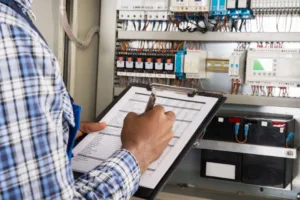
Electrical Systems Inspections

Pre Post Commissioning

MEP Services Validation

Pre Post Commissioning

Building Performance Surveys

Pre Post Commissioning

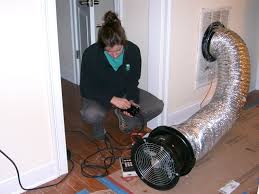
Duct Leakage Testing

Pre Post Commissioning

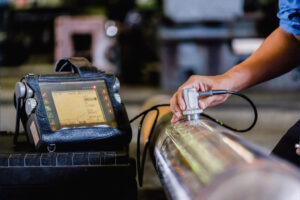
Ultrasonic Testing (UT)

Pre Post Commissioning

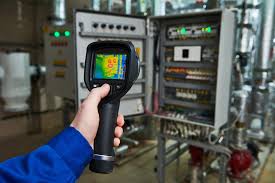
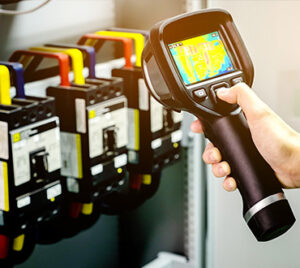
Thermography Inspection

Pre Post Commissioning

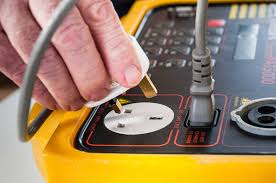
PAT Testing

Pre Post Commissioning

Electrical Commissioning

Pre Post Commissioning

HVAC Testing & Commissioning

Pre Post Commissioning

Air Balancing

Pre Post Commissioning

HVAC Performance Test

Pre Post Commissioning

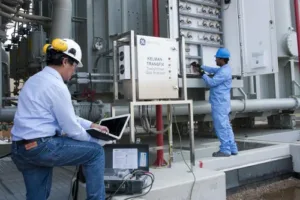
Electrical System Testing

Pre Post Commissioning

Thermographic Inspection

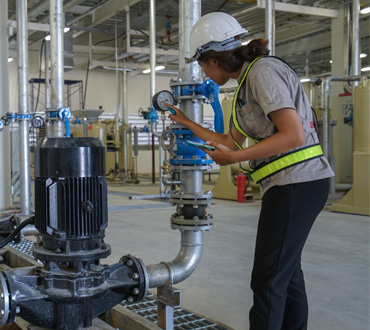
Water Balancing – (Hot & Cold water)

Water Balancing – (Hot & Cold water)

Adjusting water flow in hot and cold systems to ensure balanced pressure and efficient distribution.

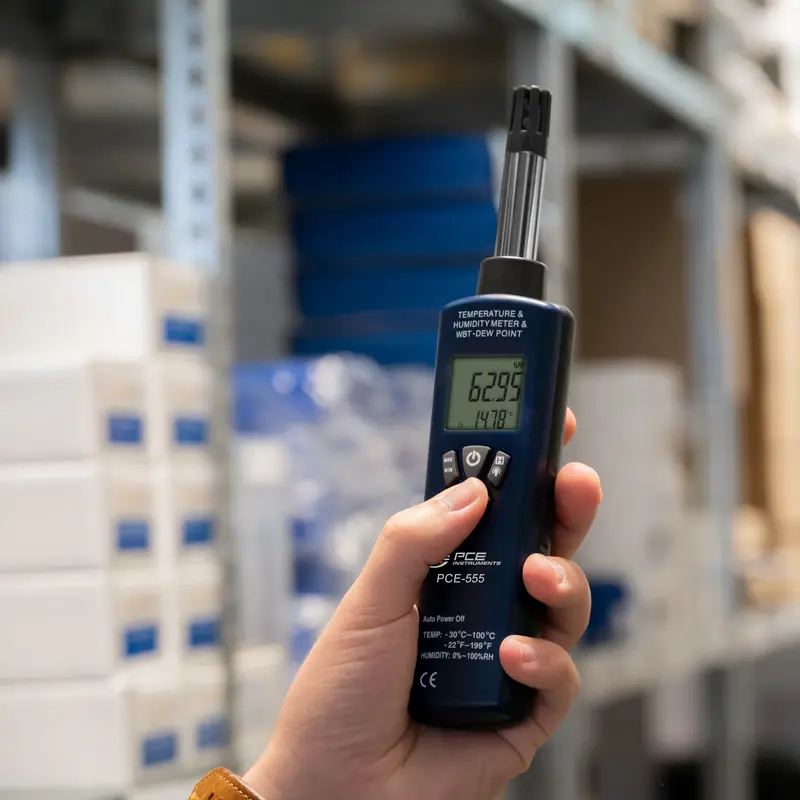
Sound Level & Temperature Measurement

Sound Level & Temperature Measurement

Monitoring noise levels and temperature conditions to ensure comfort, safety, and proper system performance.

Hospital Ventilation System Balancing
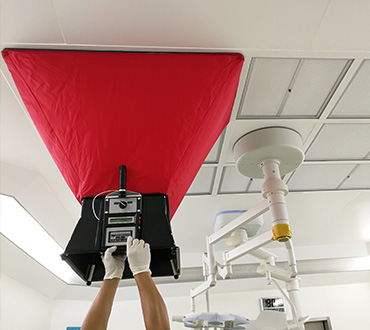
Hospital Vetilation System Balancing

Adjusting hospital ventilation systems to maintain proper airflow, pressure control, and safe indoor air quality.

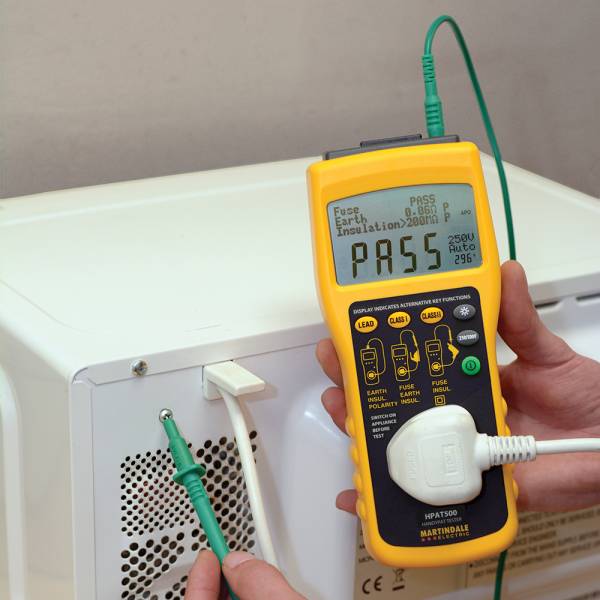
PAT Testing

Advanced Electrical Safety Assurance PAT Testing is essential for maintaining the safety and compliance of electrical equipment in residential, commercial, and industrial environments. Through systematic inspection and testing, our PAT services help prevent electrical hazards, ensure legal compliance and promote workplace safety.


Benfits Of Kitchen Hood Air Balancing

  • The general ventilation through the kitchen has to introduce sufficient clean, cool air and remove excess hot air for the occupants to breathe adequately and remain comfortable.
  • The general ventilation has to provide sufficient air for complete combustion at burning appliances, otherwise chronic debilitating carbon monoxide poisoning could occur.
  • The general and local ventilation has to dilute and remove odors, vapors and steam from the cooking processes.
  • Humidity levels are being kept under control in the space because all of the air being brought into the building is being treated properly.
  • The front door is easy to open for customers entering or leaving the restaurant.
  • Kitchen ventilation system works well with no smoke or heat escaping into the kitchen/dining areas.
  • The utility bill for the restaurant is at a manageable level because all of the HVAC isn’t being sucked out of the dining room by the hood.
  • Less turnover among employees working in the kitchen due to a comfortable working environment.
  • High customer retention rate based on providing a comfortable environment to dine in.